
Beyond the Screen: 5 Surprising Life Skills Kids Gain from Learning to Code
Beyond the Screen: 5 Surprising Life Skills Kids Gain from Learning to Code
Introduction
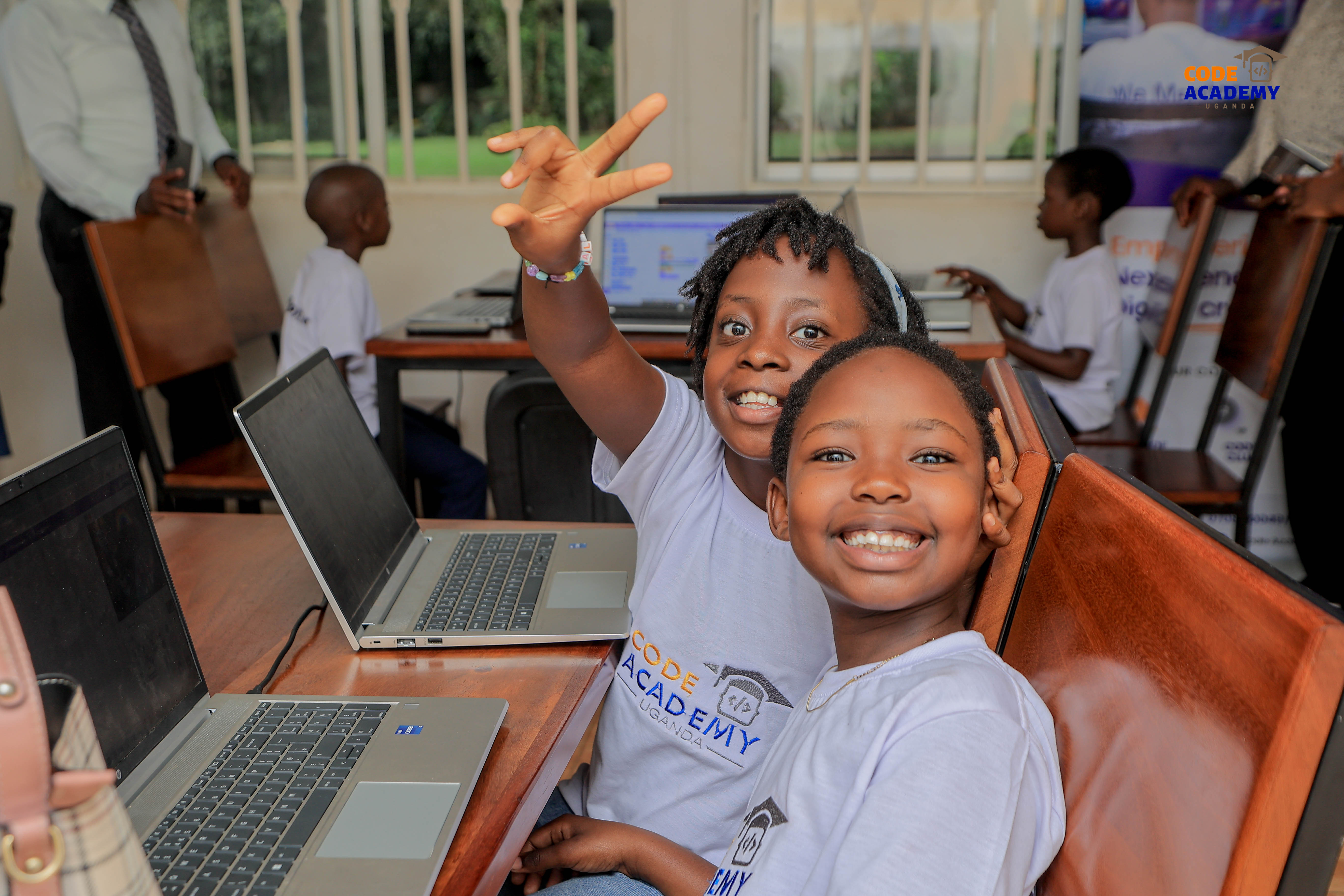
Coding isn’t just about building apps or games — it’s a modern literacy that shapes how children think, collaborate, and solve real-world problems. When kids learn to code, they develop transferable life skills that make them more confident, creative, and ready for the future. Below are five surprising life skills children gain through programming, with practical examples and tips for parents and educators.
1. Computational Thinking → Better Problem-Solving
What it is: Breaking problems into manageable parts, recognizing patterns, and designing step-by-step solutions. How it helps: Kids learn to approach challenges methodically instead of reacting emotionally. They practice testing small hypotheses, learning from failure, and iterating.
Example: Debugging a game’s scoring bug teaches hypothesis testing — “If I change this variable, does the score update?” — a mindset useful for school projects and daily decision-making.
2. Resilience and Growth Mindset → Persistence Through Failure
What it is: Treating mistakes as feedback rather than final judgment.
How it helps: Coding requires constant trial and error. Children who code become comfortable with setbacks and learn to persist until they find a solution.
Example: A child who doesn’t give up after a program crashes is more likely to tackle difficult homework, sports challenges, or personal obstacles with patience and grit.
3. Creativity and Design Thinking → Turning Ideas into Tangible Projects
What it is: Using imagination and iterative design to create useful, user-centered solutions.
How it helps: Coding allows kids to invent interactive stories, games, and tools — blending art, narrative, and logic. This strengthens creative expression and practical design skills.
Example: Designing a simple app to organize chores teaches user empathy (what’s easy for family members?) and creative problem-solving.
4. Collaboration and Communication → Working Well With Others
What it is: Sharing code, giving and receiving feedback, and explaining complex ideas clearly.
How it helps: Group coding projects teach kids to divide tasks, merge work, and resolve conflicts — all while communicating technical ideas in simple terms.
Example: Pair programming on a school project helps a child practice listening, explaining their approach, and negotiating shared responsibilities.
5. Logical Reasoning and Decision-Making → Clear, Evidence-Based Choices
What it is: Making decisions based on rules, conditions, and outcomes derived from testing.
How it helps: Writing conditionals and algorithms strengthens a child’s ability to weigh options, foresee consequences, and choose logically under uncertainty.
Example: Creating branching storylines in code teaches kids to anticipate outcomes and plan paths that lead to preferred endings.
Practical Benefits Beyond Skills
Academic improvement: Coding reinforces math, reading comprehension, and structured writing.
Career readiness: Early exposure gives children confidence with technology and foundational concepts used across many professions.
Empowerment: Building something tangible increases self-efficacy — kids see that their ideas can become reality.
How Parents and Educators Can Support Learning
Encourage project-based learning: Let kids pick small projects that reflect their interests (games, stories, tools).
Celebrate iterations: Praise effort and iteration rather than only flawless results.
Mix solo and collaborative tasks: Balance independent problem-solving with team projects to build both skills.
Provide resources: Use age-appropriate platforms, mentors, or local classes for structured guidance.
Why Choose Code Academy Uganda
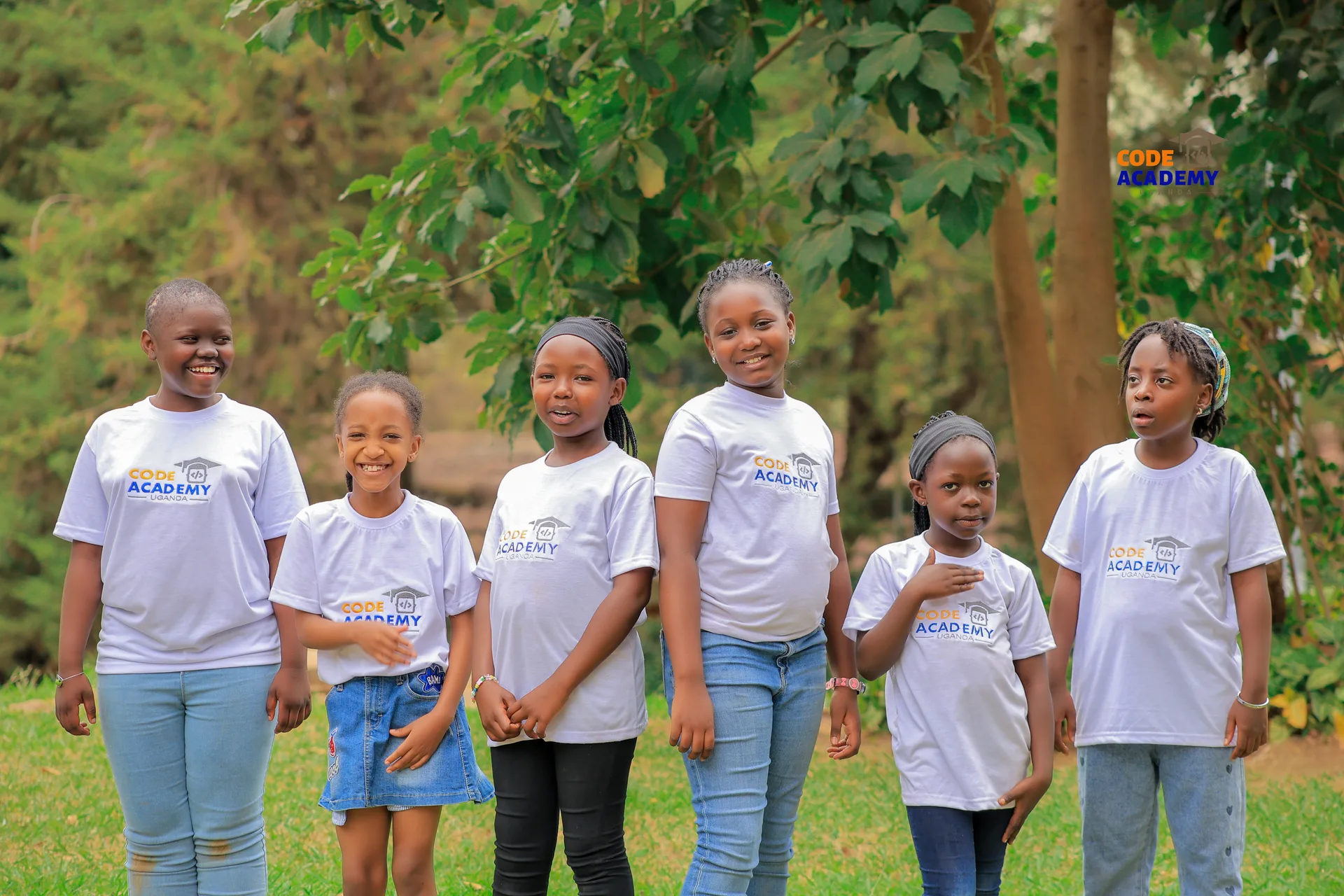
Code Academy Uganda blends high-quality curriculum with hands-on, project-based learning tailored to kids and teens. Our instructors focus on nurturing not only technical skills (block-based and text-based programming, robotics, web development) but also the five life skills above — computational thinking, resilience, creativity, collaboration, and logical reasoning. With flexible weekend and holiday classes, small cohorts, and real-world projects, we make learning to code both enjoyable and deeply impactful for Ugandan youth.
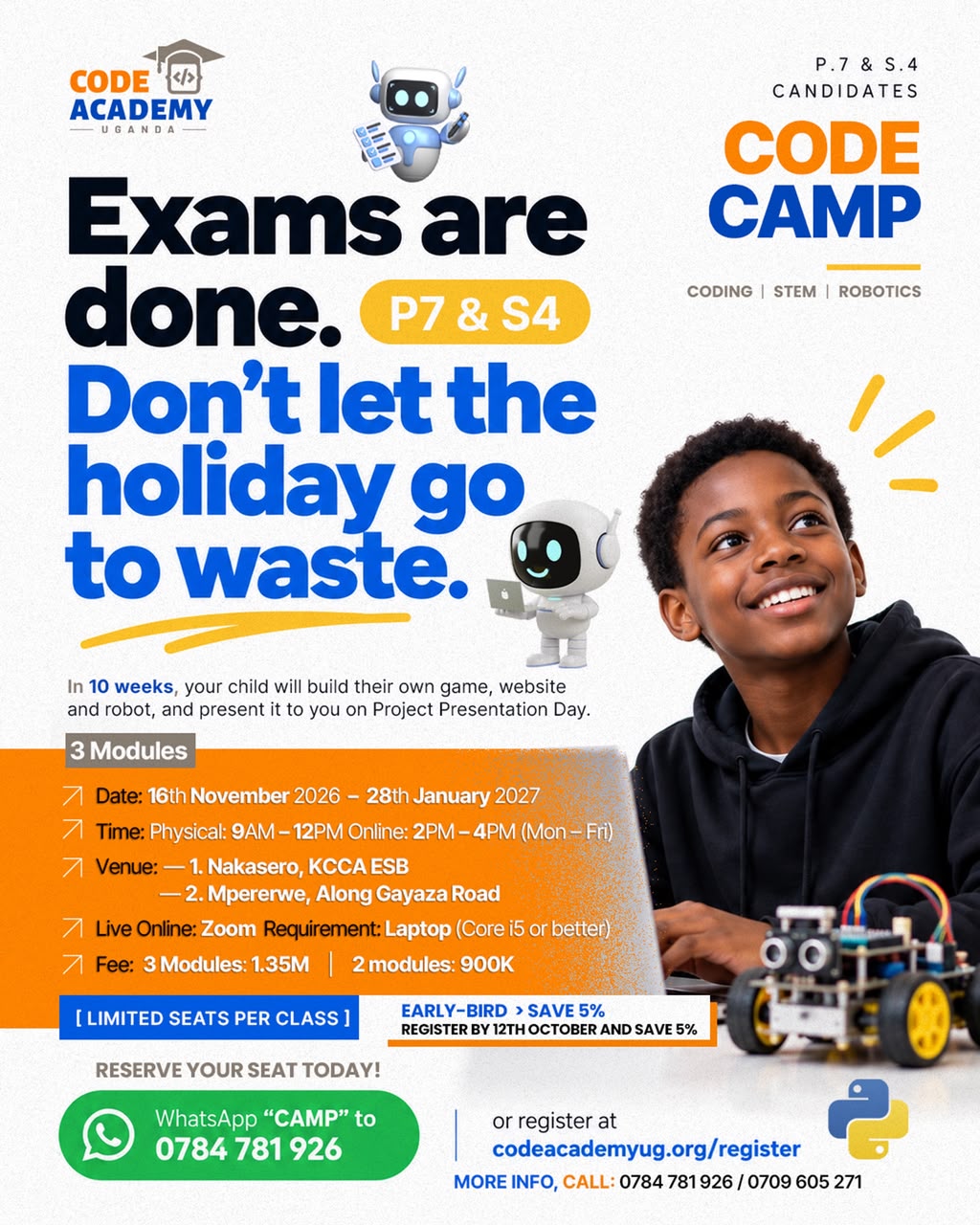
Help your child unlock skills that last a lifetime. Visit Code Academy Uganda at https://codeacademyug.org or call +256 784 781 926 to book a free trial class or speak with an enrolment advisor. Limited seats available for the next term — reserve your child’s spot today.
Coding opens doors beyond screens: it shapes how children think, solve problems, and work with others. With the right guidance and projects, the skills kids gain from coding become powerful tools for school, career, and life.

Comments (1)
kato
very cool