

Quick orientation
- Clear, practical steps you can use immediately.
- Age‑specific routines and scripts for conversations.
- Tools, templates and checklists (Media Plan, Photo Checklist, Family Media Contract).
- Ways to balance safety, learning, privacy and normal family life.
- How to respond when things go wrong and when to get help.
A few guiding principles
- Prioritize relationships over rules. Kids who trust you will tell you when things go wrong.
- Focus on content, context and connection more than just “minutes.” Time limits alone don’t protect skills, opportunities or mental health.
- Teach skills, don’t only block risks. Empowerment + boundaries = resilience.
- Be consistent and model the behaviour you want to see. Your use of devices teaches as much as your talk.
- Adjust as kids age. Move from trusteeship (0–3) to scaffolded mediation (3–6) to negotiated autonomy (6–18).
Set the foundations this weekend
1. Do a quick device audit (30–60 minutes)
- List all devices and accounts used at home (phones, tablets, TVs, smart speakers, cameras, consoles).
- Note ownership (whose device), where it’s usually stored and which accounts/profiles are active.
2. Build a 1‑page Family Media Plan (10–20 minutes)
- 3–5 values (example: “sleep first,” “safety & privacy,” “learn, play, connect”).
- Basic rules (screens off during meals; no devices in bedrooms after X pm).
- Emergency contact & who manages passwords.
- Post it on the fridge and save a copy on a shared drive.
3. Secure important accounts now (30 minutes)
- Use strong, unique passwords and enable a family password manager.
- Turn on two‑factor authentication (2FA) where available for email and app stores.
Age-by-age practical routines (ready to copy)
1. Infants & toddlers (0–2)
- Trusteeship: parents make choices. Use devices primarily for two purposes: developmentally supportive co‑use and essential coordination.
- Routines: device‑free feeds and bedtime; brief, highly interactive co‑viewing only; avoid screens as the default babysitter.
- Quick routine: “Night routine” — dinner, bath, book, 10 minutes of a co‑viewed interactive story app, lights out.
2. Preschool (3–5)
- Scaffold learning and social skills.
- Use two or three vetted apps and rotate them. Co‑use and ask questions: “What do you see?”, “What did you learn?”
- Set a predictable daily window for screen play (e.g., 30 min after nap or chores).
- Tech tip: install family/child account on tablet (age filters, time limits).
3. Early school (6–9)
- Teach basic privacy & media skills (search critically, treat strangers online as strangers).
- Start a weekly “tech talk” (10 minutes) — what they played, what they liked, any worries.
- Homework often uses screens: focus on context (is it learning?) not just minutes.
4. Tweens (10–12)
- Expand skills: account settings, reporting, managing group chats.
- Co‑design a Media Contract covering schoolwork, gaming, socials, bedtime.
- Negotiate and set natural consequences (loss of privileges if rules broken).
5. Teens (13+)
- Shift to guidance and shared responsibility. Co‑create rules with measurable agreements.
- Encourage digital literacy: source checks, civic engagement, respectful discourse.
- Model good behaviour: show how adults limit notifications and manage email.
Gemini said
The Digital Future: From Consumption to Creation
Digital parenting isn't about building a digital fortress to keep the world out; it’s about building the internal compass your child needs to navigate the world within. When we shift our focus from policing minutes to nurturing digital agency, we stop being tech-adversaries and start being mentors.
Gen-Alpha is the first generation to never know a world without ubiquitous AI and instant connectivity. To help them thrive, we must move beyond the "screen time" debate and ask a more powerful question: What are they doing with that time?
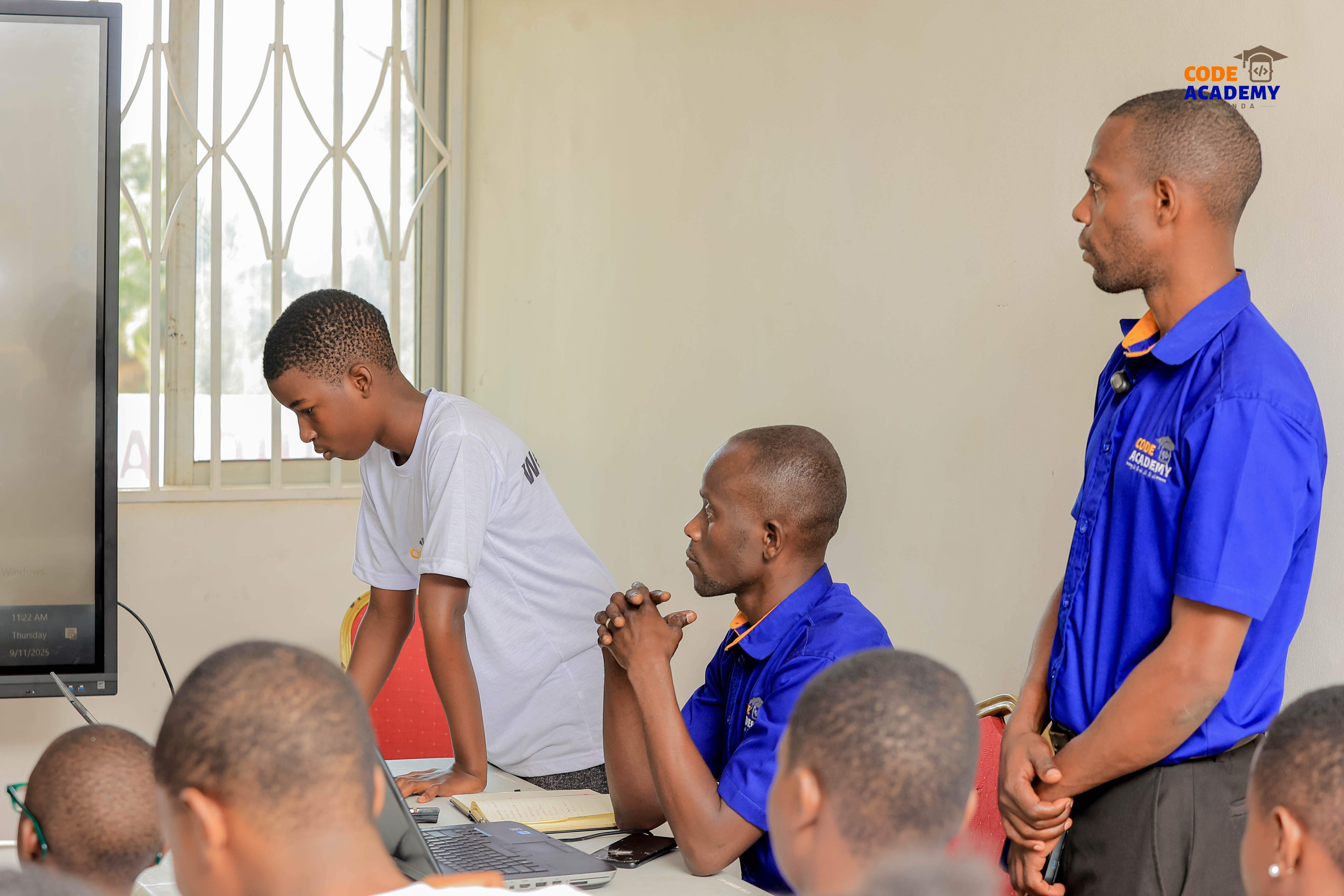
The Ultimate Pivot: Code Academy Uganda
The most effective way to balance "normal family life" with technology is to transform your child’s relationship with the screen. Instead of losing them to endless scrolling, empower them to build the platforms of tomorrow.
At Code Academy Uganda, we specialize in bridging the gap between passive consumption and active innovation. We take the curiosity Gen-Alpha naturally possesses and channel it into high-value skills that turn "screen time" into "productive time."
From Gamers to Game Developers: We teach the logic behind the play.
From App Users to App Creators: We provide the tools to solve real-world problems.
From Consumers to Architects: We foster the computational thinking required for the future workforce.
By enrolling your child, you aren't just adding another activity to the calendar; you are fulfilling the "Scaffolded Mediation" and "Negotiated Autonomy" goals of your Family Media Plan. You are giving them a playground where the boundaries are set by code and the possibilities are limited only by their imagination.
The shift is simple: Don't just watch the digital world happen. Build it.

Discussion (0)
No comments yet. Be the first to share your thoughts!